
School Boards & Universities
School Boards & Universities
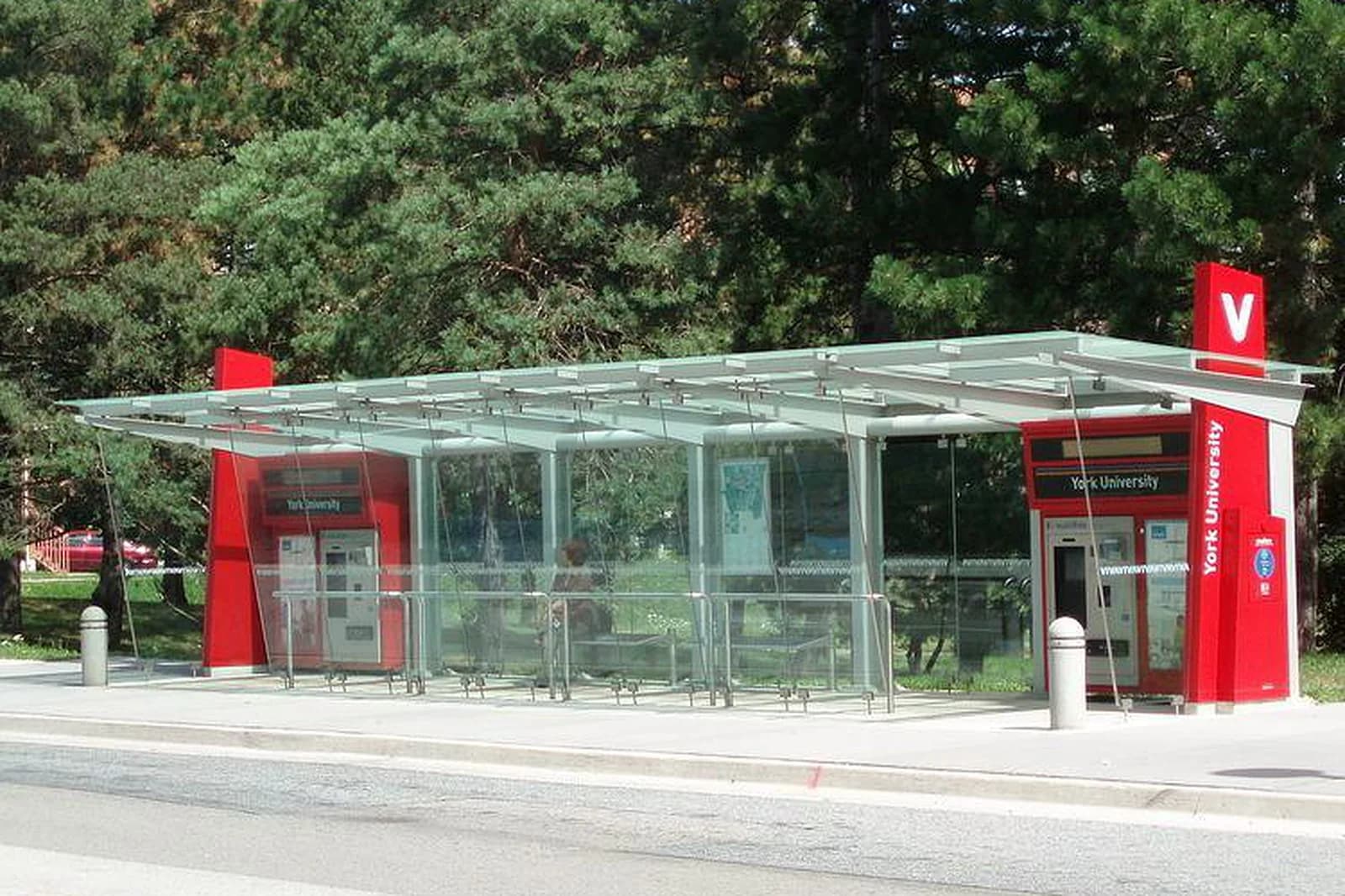
School boards and universities procure bus shelters for student drop-off zones, campus shuttle stops, off-site athletic-field connections, and staff/faculty parking-lot shuttles. The procurement profile is distinct from municipal transit: typically single-source under $100,000, summer-install windows that must finish before September classes, and integration with campus master-plan signage standards (gate-keeper paint colours, logo placement rules, way-finding typography).
Common Deployments
Working with School Boards & Universities
Key Takeaways
- ✓Key features: Student drop-off shelters at K-12 school entrances (typically 4–12 shelters per board project), Campus shuttle-stop network for university master plans (20–60 shelters over 2–4 year rollout), Off-site athletic-field connections (varsity stadium shuttle, satellite gymnasium routes)
BusShelters. ca has shipped to University of Toronto, McGill, McMaster, Western, Waterloo, Queen's, UBC, SFU, UVic, Université de Montréal, Université Laval, Concordia, Dalhousie, Memorial, and a long list of K-12 boards including TDSB, Peel DSB, YRDSB, OCDSB, CSSDM, EMSB, Vancouver SD 39. School-board work tends to be small batches (4–12 shelters per project) tied to bell-time arrival peaks; university work is larger (20–60 shelters across a multi-year master plan). The shelter spec for campuses leans toward AODA / CSA B651-18 compliance by default (most institutions exceed minimum compliance), anti-vandal polycarbonate glazing rather than tempered glass for student-traffic zones, brand-matched powder-coat colours pulled from the institution's visual-identity guide, and route-map / shuttle-schedule clip frames sized to the campus map standard.
School Boards & Universities — Procurement & Contracting
Lighting is specified for safety-after-dark coverage at 150–200 lux at the bench, often integrated with the campus emergency-call system. Installation is scheduled for the May–August window when student traffic is low; we co-ordinate with campus facilities, locate-clearance, and the institution's permitting officer. Insurance and certificates of insurance are issued naming the board or institution as additional insured per the standard education-sector contract template. School-board projects typically run $8,500–$15,000 per shelter installed depending on AODA option set and brand-finish complexity; university projects average $11,000–$22,000 because of the higher architectural-grade specification and integrated lighting/wayfinding.
Engagement Workflow
We offer a K-12 stocking-package programme for boards that buy 8+ shelters per year — pre-staged inventory in Brantford, fixed pricing for the school year, and same-week shipping during summer-install windows. For universities running multi-year master plans, we hold fixed unit pricing for 24 months so your facilities team can budget across fiscal years without cost-escalation surprises. Co-op programmes with engineering and architecture students are available — we've hosted student site visits and provided design-charrette support at McMaster, Waterloo, and Carleton in past years.
Why School Boards & Universities choose BusShelters.ca
Recommended Shelter Models
Standard Bus Shelters
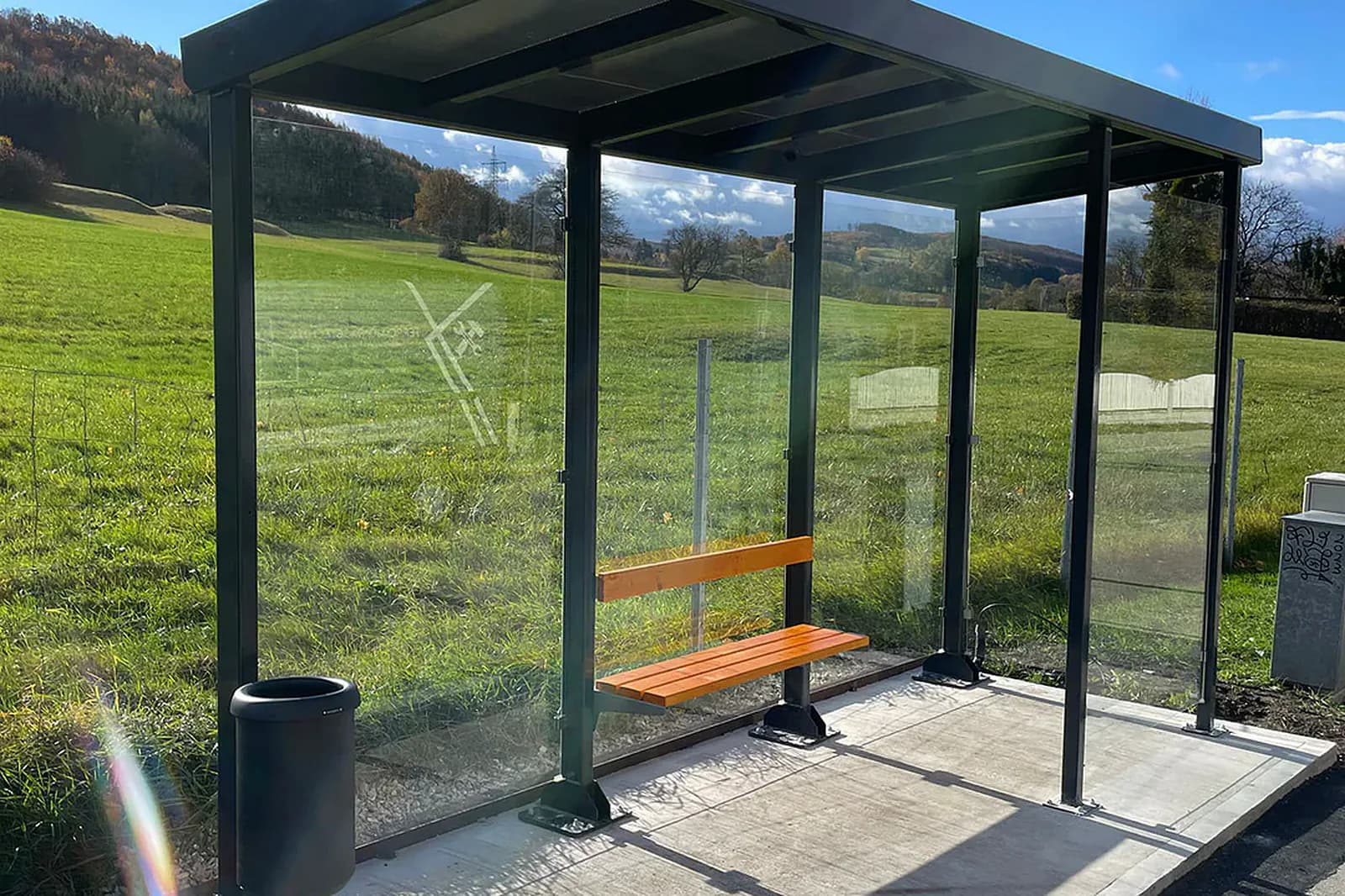
Cantilever and freestanding bus shelters built for Canadian winters — tempered glass walls, anti-graffiti panels, integrated bench.
Learn more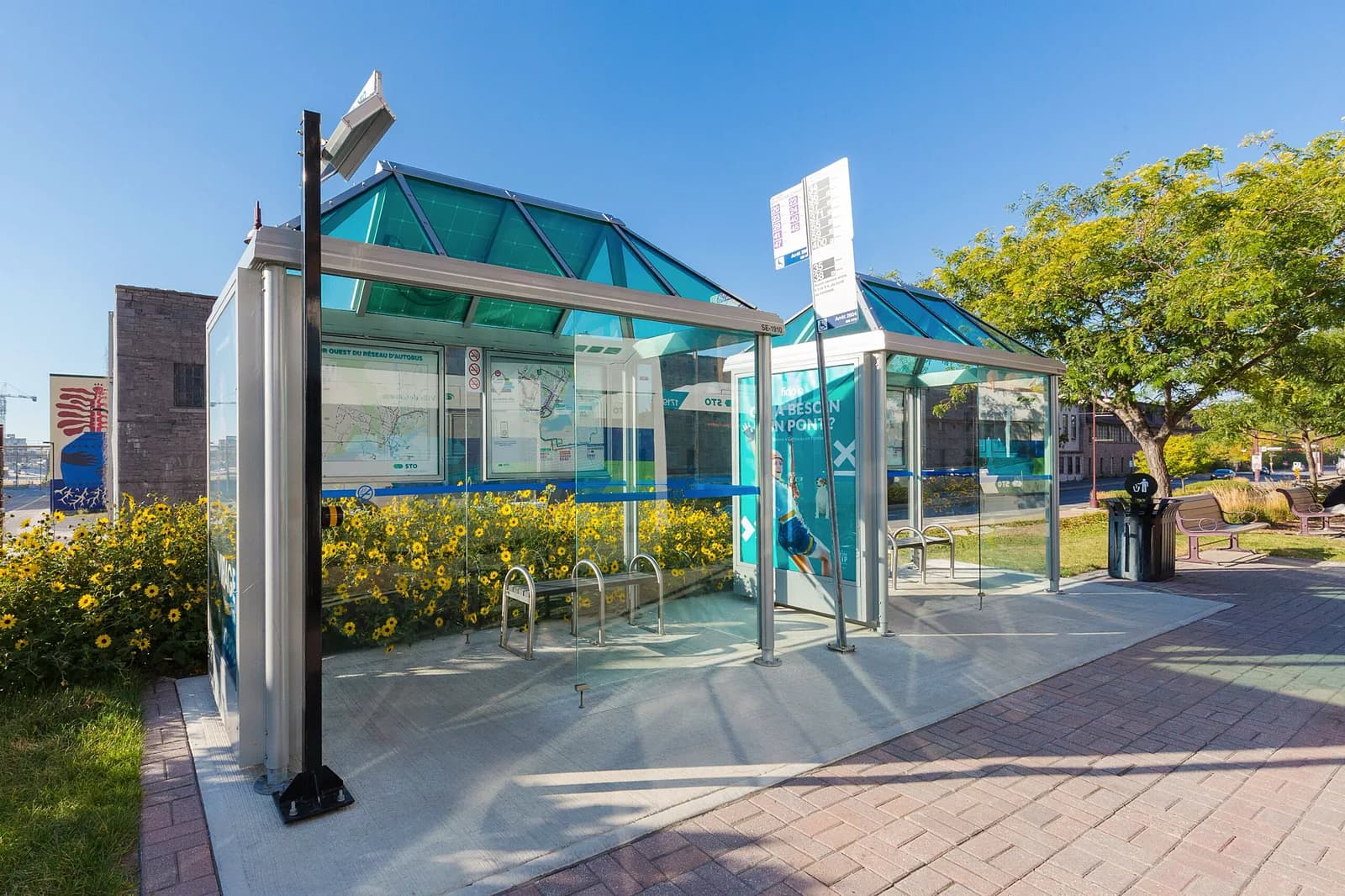
Solar-Powered Bus Shelters
Off-grid LED-lit shelters with rooftop PV array — no trenching, no electrical connection, full winter operation.
Learn more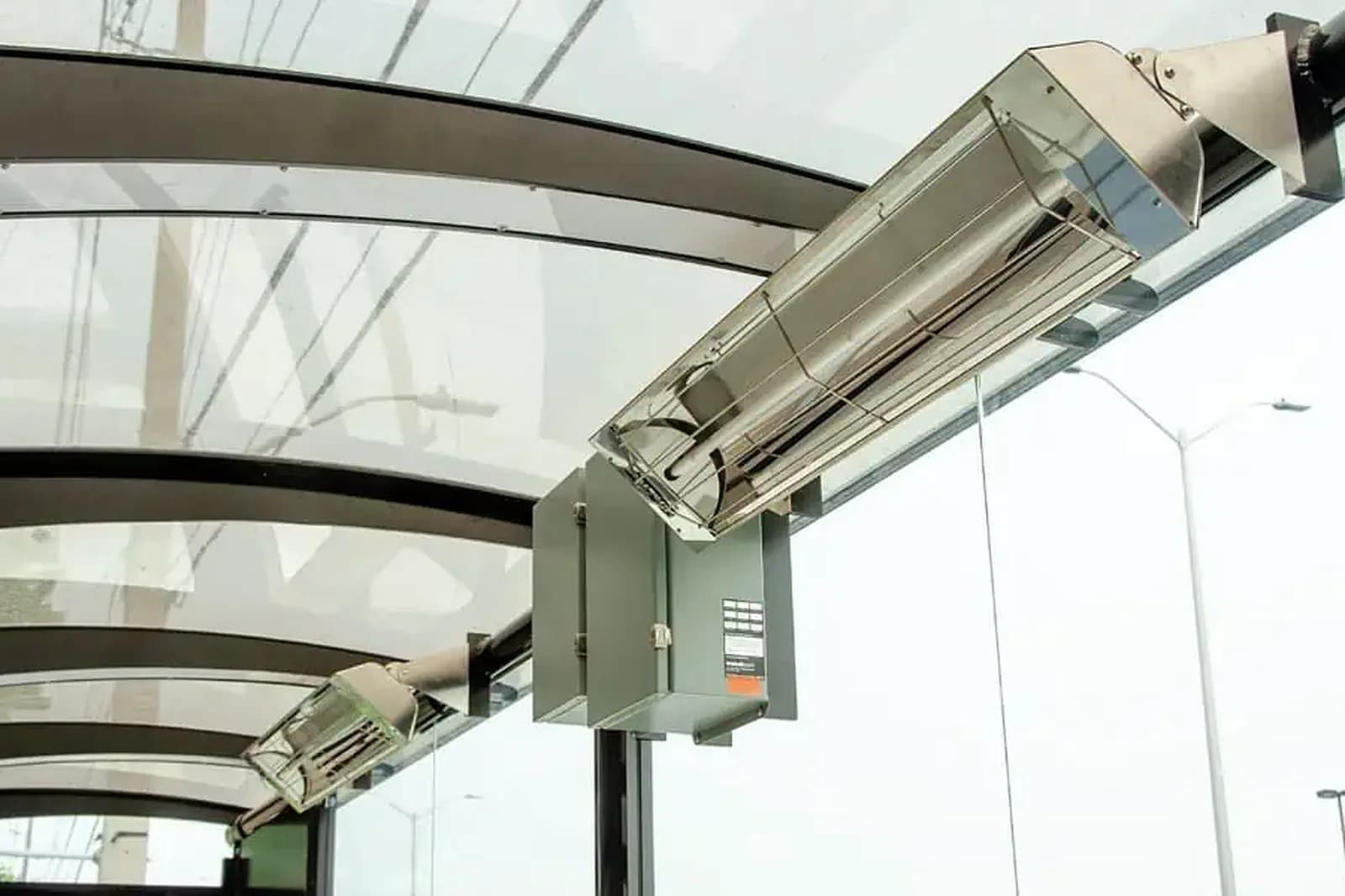
Heated Bus Shelters
Radiant overhead heating panels triggered by motion sensor — thermal comfort below -30°C, heated bench seat option.
Learn moreSchool Boards & Universities served across Canada
Frequently Asked Questions — School Boards & Universities
What materials are used in your bus shelters?
Frames are 6061-T6 extruded aluminum or hot-dipped galvanized steel depending on application; walls are 6 mm tempered safety glass or 8–12 mm clear/tinted polycarbonate in high-vandalism areas. Roofs are double-skin polycarbonate or standing-seam aluminum. Benches are stainless steel or HDPE recycled-plastic lumber. Fasteners are tamper-proof stainless throughout. Material selection is climate-driven: aluminum on coastal and road-salt sites where steel corrodes, hot-dip galvanized HSS where impact loading matters (snow-blower throw, vehicle proximity), polycarbonate on campus and school sites where vandal resistance trumps glass clarity. Powder-coat finish is AAMA 2604 for 10-year colour fastness in Canadian sun. Gaskets and sealants are silicone with -50 °C flexibility to survive 90+ freeze-thaw cycles a year on the Prairies. The full material specification by product line is on each product page.
How do you handle graffiti and vandalism?
Anti-graffiti coatings on glass and panels allow most tags to be removed with a non-abrasive cleaner. For damaged glass, our 48-hour Canada-wide replacement program dispatches tempered glass from regional depots in Toronto, Montreal, Calgary, and Vancouver. Our maintenance contracts include monthly cleaning, quarterly inspection, and annual hardware torque checks. Treatment depends on incident frequency: sacrificial film (clear polymer sheet swappable in under 4 minutes) is right for high-vandalism corridors where panels are tagged weekly — replacement film costs $30–$60 per panel versus $200–$400 to refurbish a permanently-coated panel. Permanent fluoropolymer coating is right for low-vandalism sites where the once-a-year clean-down justifies the initial uplift. For glass breakage, 8–10 mm polycarbonate instead of tempered glass survives baseball-bat-grade impact and is the default spec on school and campus deployments.
Have a project for School Boards & Universities?
Send us your RFP, scope, or specification — our bid desk responds within one business day.