
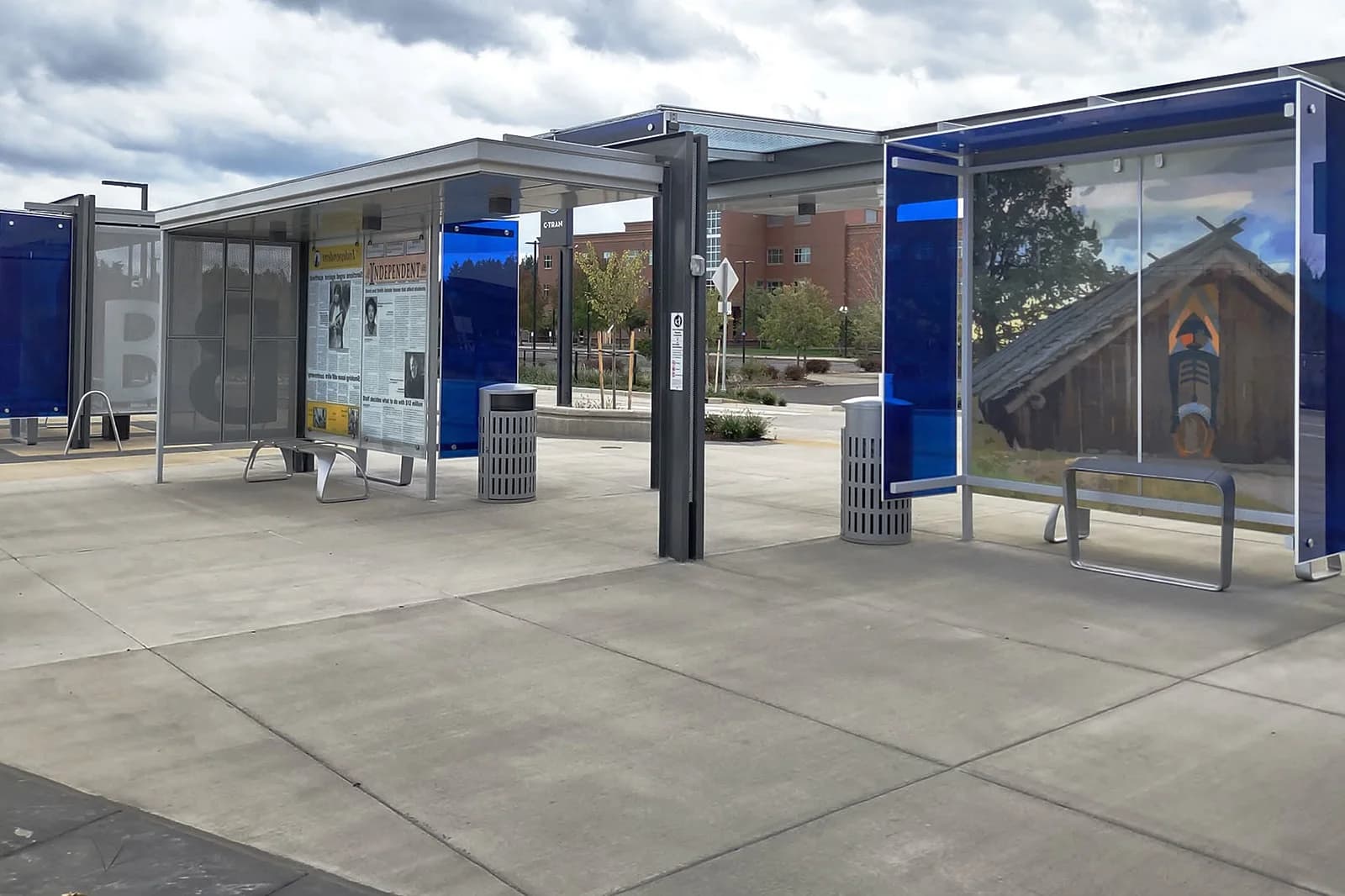
Private Developers & REITs
Private Developers & REITs
Private developers and REITs procure on-site transit waiting structures as part of site-plan-approval (SPA) conditions, Section 37 community-benefit agreements, density-bonus negotiations, and transit-oriented development (TOD) master plans. Most large-scale residential, mixed-use, and commercial developments now carry a planning condition requiring on-site or peripheral transit-shelter provision, and BusShelters. ca delivers under the timeline pressure of occupancy-permit milestones.
Common Deployments
Working with Private Developers & REITs
Key Takeaways
- ✓Key features: Site-plan-approval-condition shelters at residential mid-rise and high-rise development entrances, Section 37 community-benefit shelters in mixed-use developments at major intersections, Density-bonus-negotiated shelter networks across multi-tower master-planned communities
We work directly with the developer's planning consultant, civil engineer, and landscape architect to integrate the shelter into the site plan. The shelter spec is captured in the SPA conditions, presented to the municipal planning department, and signed off as part of the occupancy permit issuance. Past programmes include shelters for Tridel, Daniels Corporation, Concord Pacific, Anthem Properties, Wesgroup, Onni Group, Polygon Homes (BC), Mattamy Homes, Brookfield Residential, Minto Group, Devron Developments, Brigil (QC), Devimco, plus retail-pad work for Choice Properties REIT, Plaza Retail REIT, Crombie REIT, RioCan. The site-plan-driven shelter spec aligns with the surrounding municipal transit-authority standard (so the shelter doesn't look out-of-place when the developer hands it over to the city), but typically with architectural upgrades that match the development's brand language — fritted glass, custom powder coat, integrated wayfinding to the on-site building lobby, and lighting tied to the development's exterior-lighting scheme.
Private Developers & REITs — Procurement & Contracting
Heated and accessible features are increasingly standard in new builds because the planning department will require them anyway under the latest accessibility-act roll-out. Procurement timing is occupancy-permit-driven: the developer needs the shelter installed before the city will issue the occupancy permit. We've delivered on 18-week and 22-week lead times to match construction-schedule slippage, and offer a temporary-shelter rental option for sites that need an interim solution while the permanent shelter is in fabrication. A quirk of developer projects is that the shelter is usually handed over to the municipality within 12 months of installation under the SPA's transfer-of-ownership clause.
Engagement Workflow
We design and document for that handover: stamped engineering in the city's preferred format, a warranty assignment letter transferring our warranty to the municipality at handover, and an as-built package ready for the city's GIS ingest. This avoids the awkward situation where the city refuses to accept the shelter because the documentation doesn't match its standard. We also support site-plan-amendment consultations when planning conditions evolve mid-construction — we've handled SPA-amendment redesigns for Tridel (Mississauga), Concord Pacific (Vancouver), and Brigil (Gatineau) without project-timeline impact. Pricing typically lands $10,000–$18,000 per shelter installed, which fits the developer's site-plan condition envelope.
Why Private Developers & REITs choose BusShelters.ca
Recommended Shelter Models
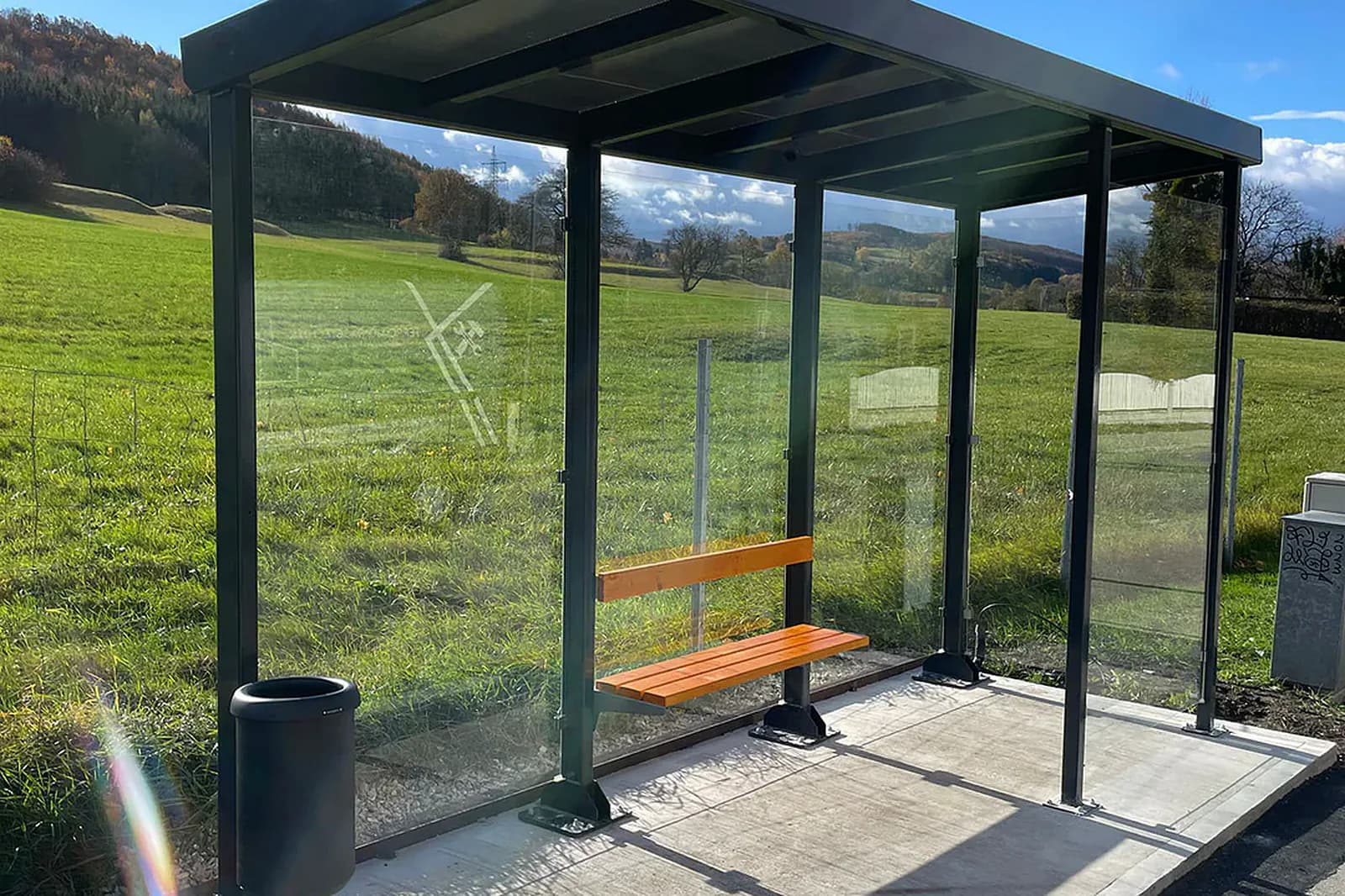
Standard Bus Shelters
Cantilever and freestanding bus shelters built for Canadian winters — tempered glass walls, anti-graffiti panels, integrated bench.
Learn more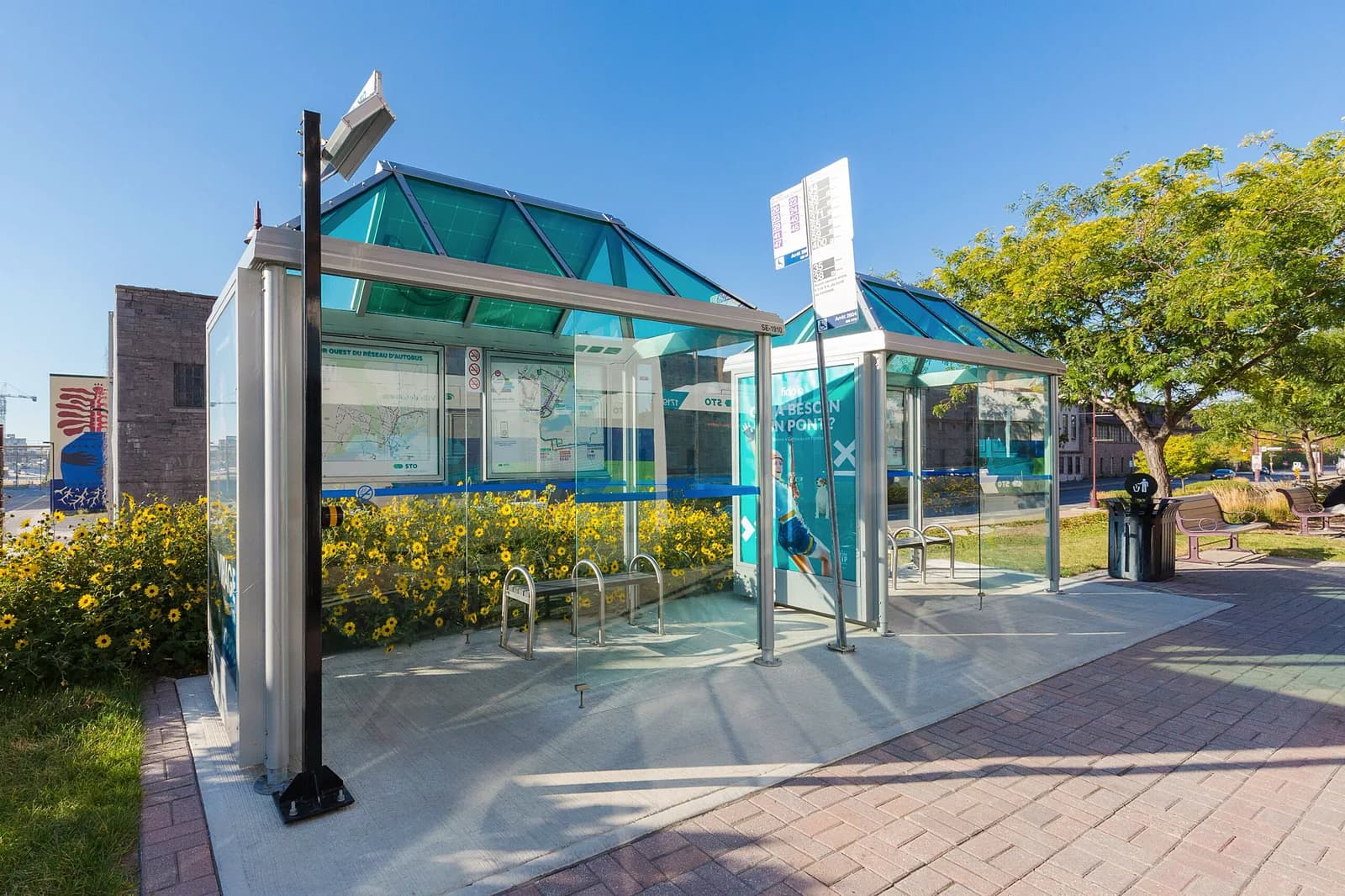
Solar-Powered Bus Shelters
Off-grid LED-lit shelters with rooftop PV array — no trenching, no electrical connection, full winter operation.
Learn more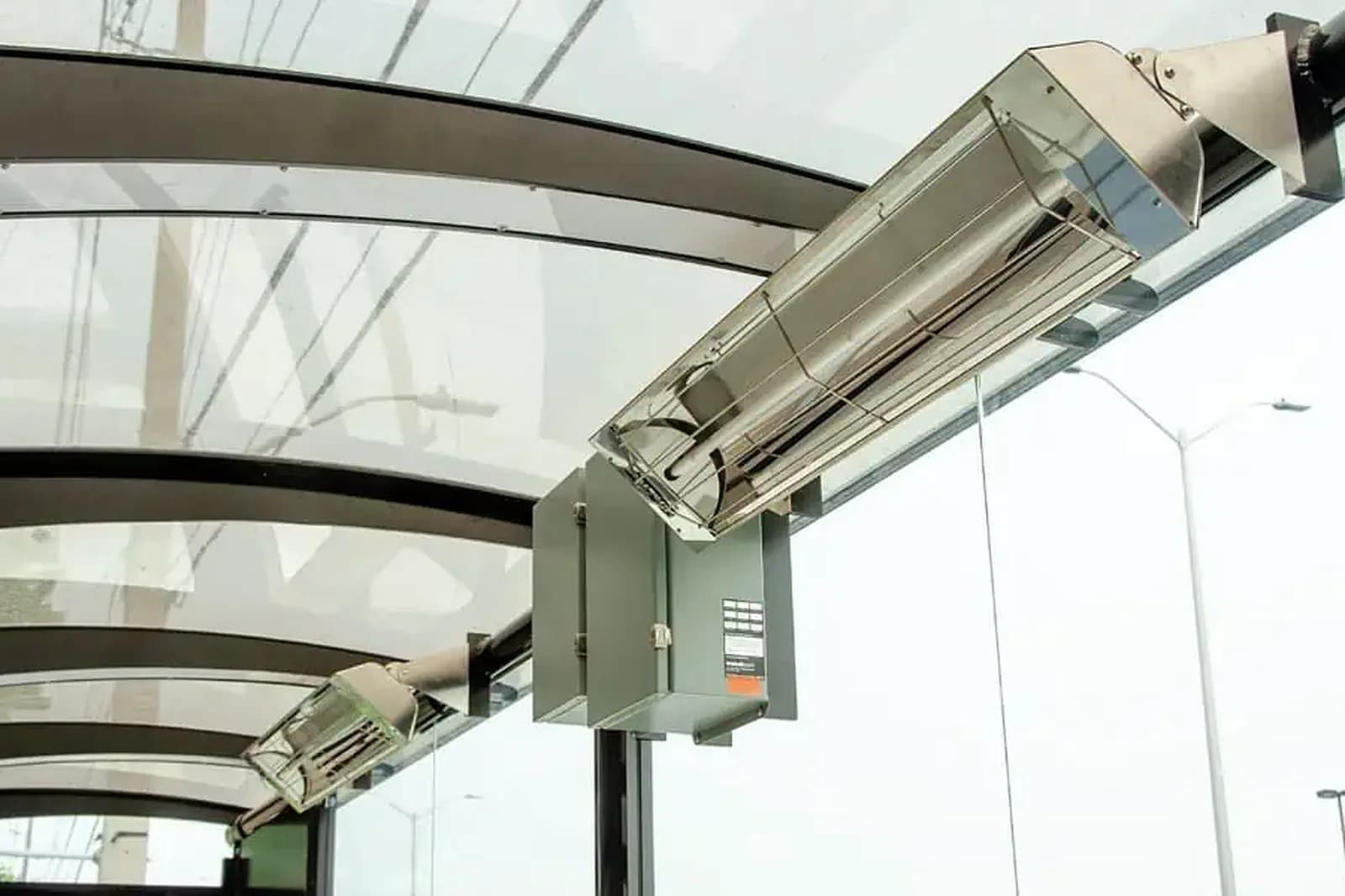
Heated Bus Shelters
Radiant overhead heating panels triggered by motion sensor — thermal comfort below -30°C, heated bench seat option.
Learn morePrivate Developers & REITs served across Canada
Frequently Asked Questions — Private Developers & REITs
Do you sell to private property owners (malls, hospitals, campuses)?
Yes. About 40% of our deployments are private-sector — shopping centres, hospitals, university campuses, corporate parks. We handle site-plan approval drawings, work with your municipal building department on permits, and coordinate with property managers on after-hours installs to avoid disrupting operations. Yes — private-property installs (shopping centres, hospitals, university campuses, corporate parks, residential developments, REITs) make up roughly 30–35% of our annual order book. The procurement profile is faster than municipal (4–8 week decision cycles), the spec usually leans architectural-grade, and we co-ordinate with the property's facilities or workplace-experience team rather than a procurement officer. Insurance, bonding, and additional-insured endorsements scale to whatever your standard property-management or corporate-real-estate template requires — we carry $5M general liability, $5M auto, and $15M aviation-adjacent through Travelers Canada.
How long does a bus shelter installation take?
A standard 4-foot or 6-foot freestanding shelter installs in 4–8 hours on a prepared concrete pad. If we pour footings, total project time is 3–5 days including 48-hour concrete cure. Larger custom or modular configurations take 1–2 weeks. Smart-shelter electrical and data hookups add 1 day. We coordinate around transit-service schedules and typically complete municipal installs in single overnight windows. Permitting is the variable: in mature municipalities (Toronto, Montréal, Vancouver, Ottawa, Calgary) building and right-of-way permits issue in 2–4 weeks; smaller municipalities can stretch to 6–8 weeks when the public-works engineer is the only reviewer. We handle the permit submission ourselves and provide weekly status updates. For projects with tight occupancy-permit deadlines, a temporary-shelter rental (8-week minimum) covers the gap until the permanent install completes — used most often on private-developer site-plan-approval timelines.
Have a project for Private Developers & REITs?
Send us your RFP, scope, or specification — our bid desk responds within one business day.