
Corporate Campuses
Corporate Campuses
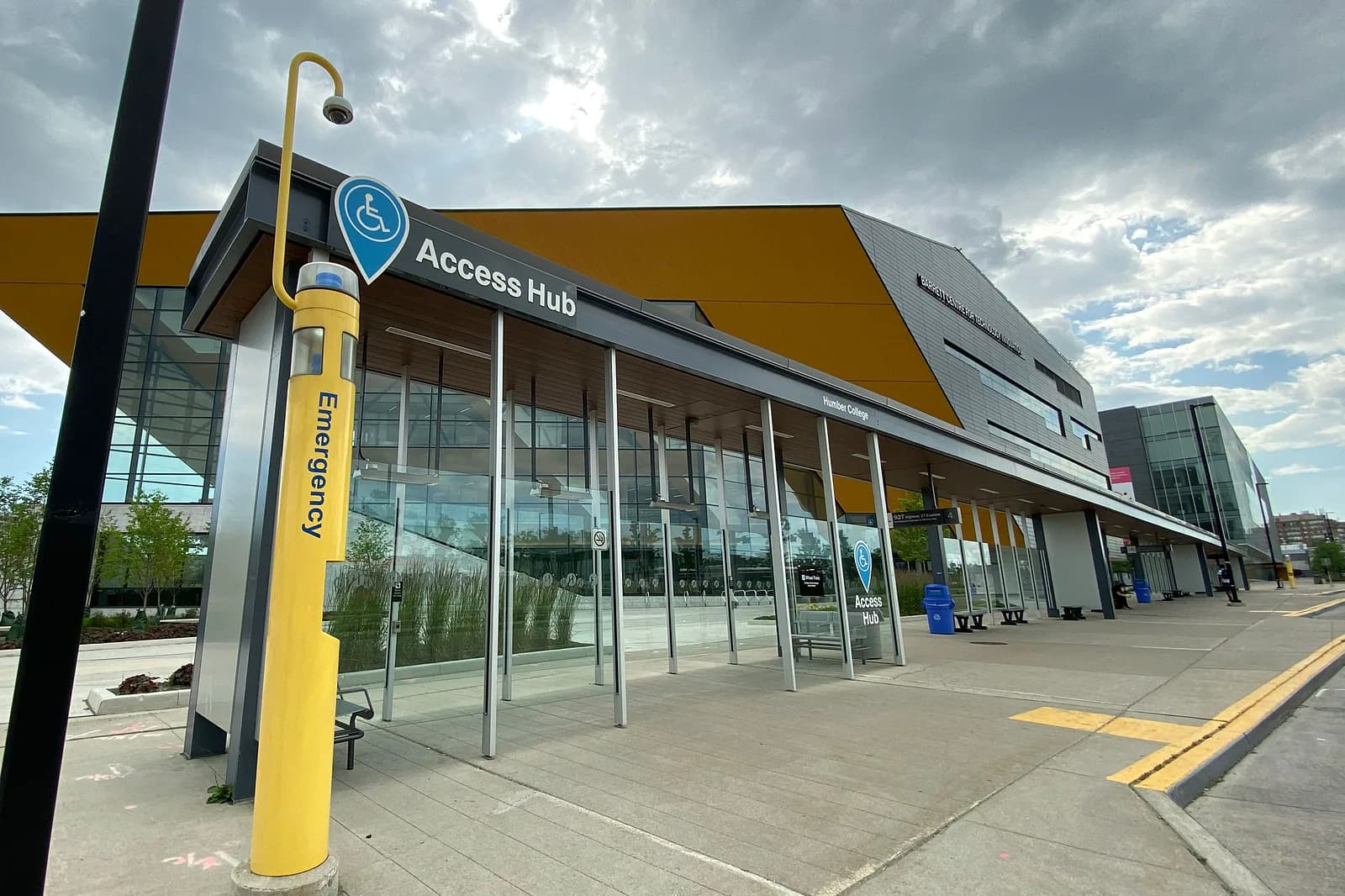
Corporate campuses procure transit and shuttle shelters as part of employee-experience programmes: tech-company head offices, automotive and aerospace manufacturing plants, pharmaceutical and biotech R&D campuses, and head-office consolidations where staff arrive via transit, shuttle, or carpool from satellite parking. The procurement profile is facilities-led, often outside formal procurement (single-source under the corporate signing authority), with a strong emphasis on brand integration and employee-comfort signalling.
Common Deployments
Working with Corporate Campuses
Key Takeaways
- ✓Key features: Tech-company head-office employee shuttle shelters with brand-matched powder coat and logo glass, Automotive and aerospace plant shift-change shuttle stops sized for 12–20 employees per departure, Pharmaceutical and biotech R&D campus inter-building shuttle shelters with smart-arrival displays
We've shipped branded shelters to Shopify (Ottawa), Telus Garden (Vancouver), RBC Place IV (Toronto), Bell Campus (Mississauga), Sun Life Toronto, BMO Field, Manulife Waterloo, OpenText Waterloo, BlackBerry, Magna International (Aurora), Linamar (Guelph), Bombardier (Mirabel), Pratt & Whitney Canada (Longueuil), Sanofi (Toronto), AstraZeneca Canada (Mississauga), plus a long list of mid-cap manufacturers. The deliverable is the same shelter quality as a transit-authority spec, presented as a piece of brand-aligned facilities furniture. Spec features include brand-matched powder coat (Pantone match from the corporate identity guide), fritted or back-painted glass with the corporate logo or visual-identity element, integrated wayfinding that pairs with internal campus signage, heated and lighted as a baseline (corporate buyers won't accept anything less for employee comfort), and smart-shelter telemetry so facilities can track shuttle-stop utilisation and right-size the shuttle programme over time. Many tech-company campuses also specify EV-shuttle compatibility with charging-cable management at the shelter.
Corporate Campuses — Procurement & Contracting
Procurement happens via facilities or workplace-experience teams, typically with a 4–8 week decision cycle from kickoff to PO. Installation is scheduled around campus operating windows — often a weekend or off-hours window with security-escort co-ordination. Pricing fits the corporate-furniture envelope (typically $12,000–$22,000 per shelter installed) since brand integration shifts the spec toward our advertising or smart product line. Many corporate-campus engagements begin with a single-shelter pilot at the most-trafficked shuttle stop, typically a 3-month evaluation with smart-shelter telemetry to validate the use-case data: utilisation by hour-of-day, dwell time, weather-correlation, and rider-count by shuttle route.
Engagement Workflow
We provide the dashboard access and a written case-study report at the pilot's end — most pilots convert to network-wide deployment within the same fiscal year. Refresh cycles for corporate campuses run 5–7 years rather than the 12–15 years typical of municipal transit, because brand-language updates and exterior-finish modernisation drive replacement faster than structural wear. We hold buyback / trade-in pricing on shelters under 7 years old, which lets corporate facilities teams refresh without writing the original investment off as a sunk cost.
Why Corporate Campuses choose BusShelters.ca
Recommended Shelter Models
Standard Bus Shelters
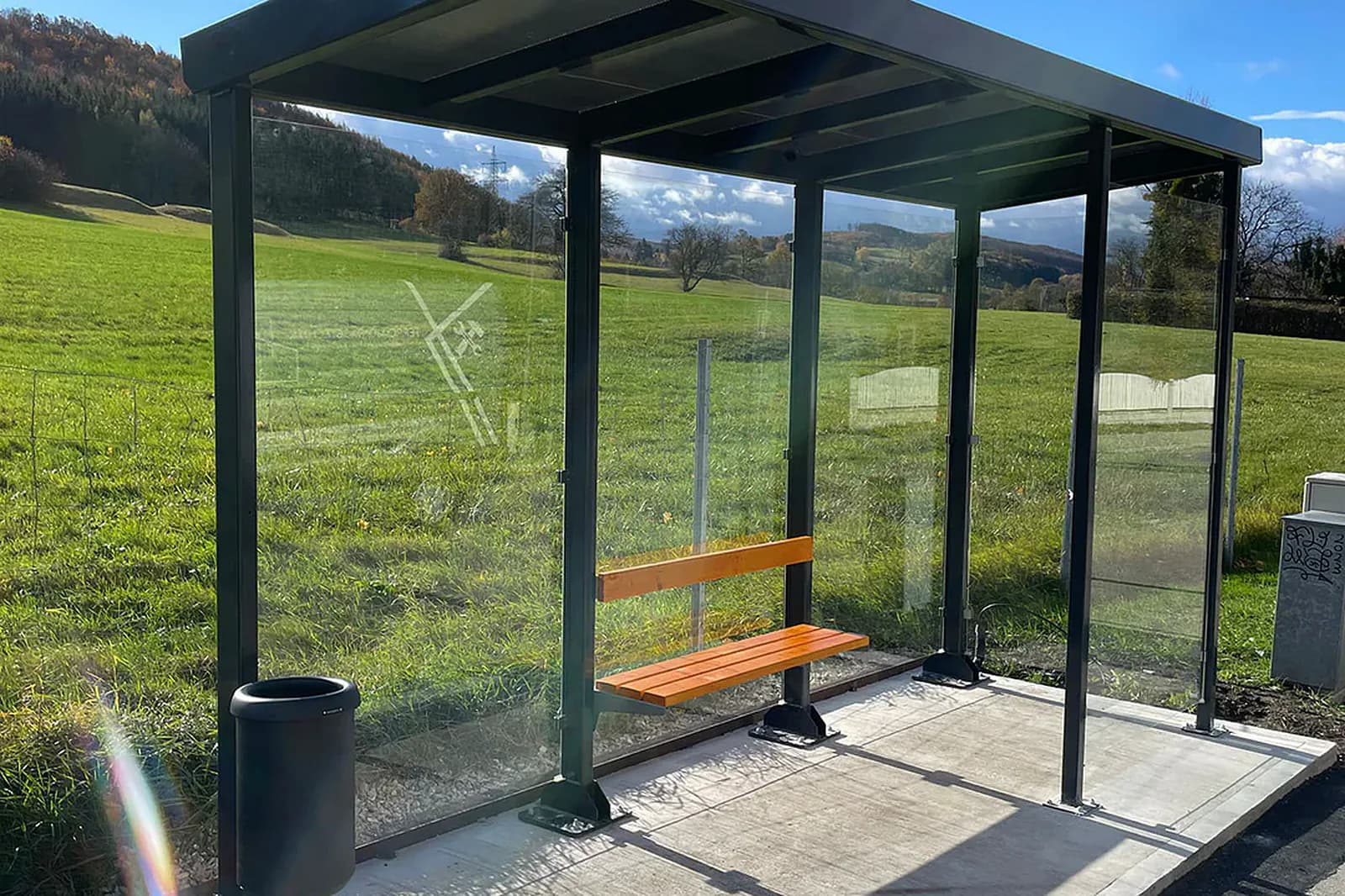
Cantilever and freestanding bus shelters built for Canadian winters — tempered glass walls, anti-graffiti panels, integrated bench.
Learn more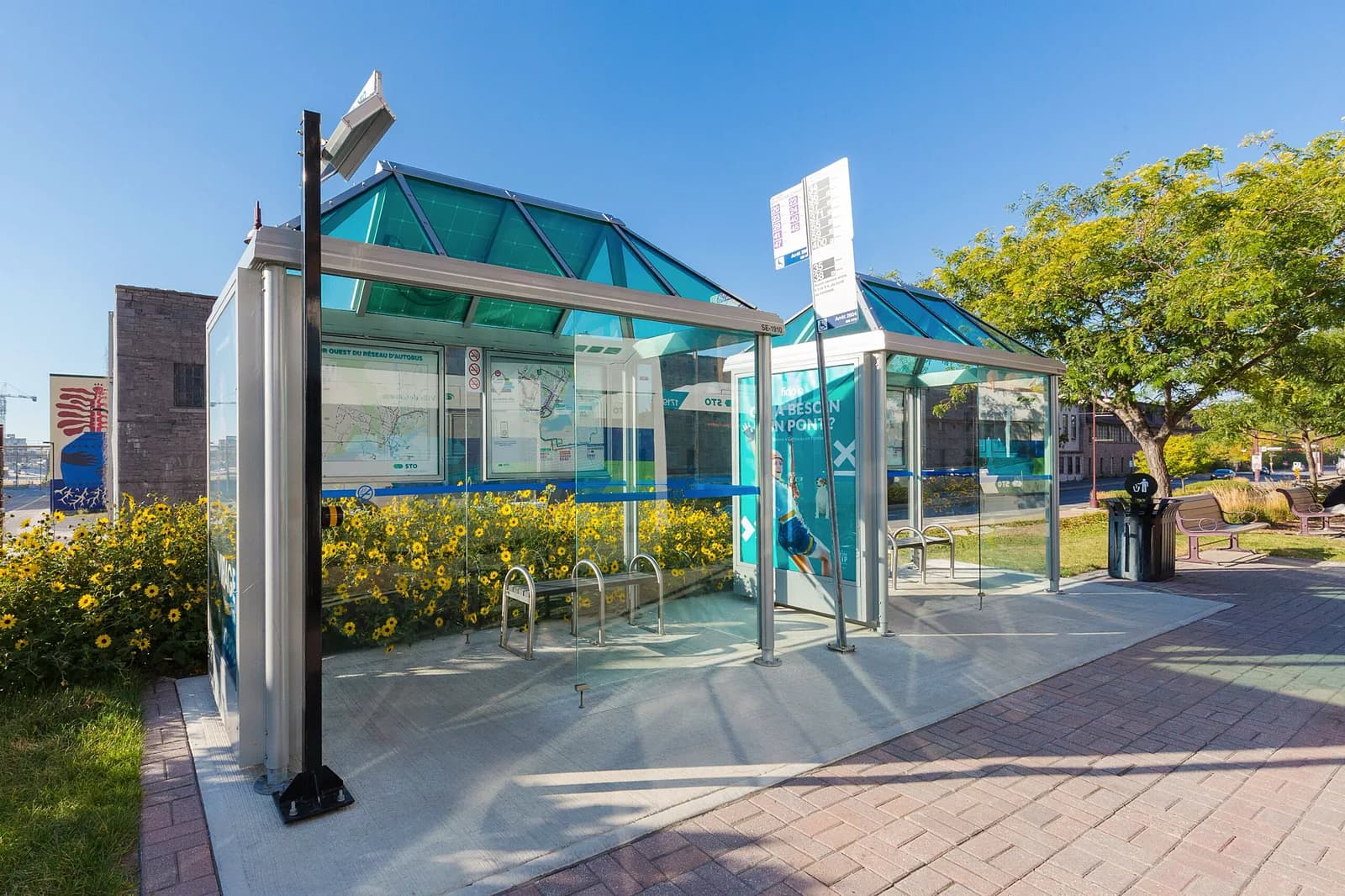
Solar-Powered Bus Shelters
Off-grid LED-lit shelters with rooftop PV array — no trenching, no electrical connection, full winter operation.
Learn more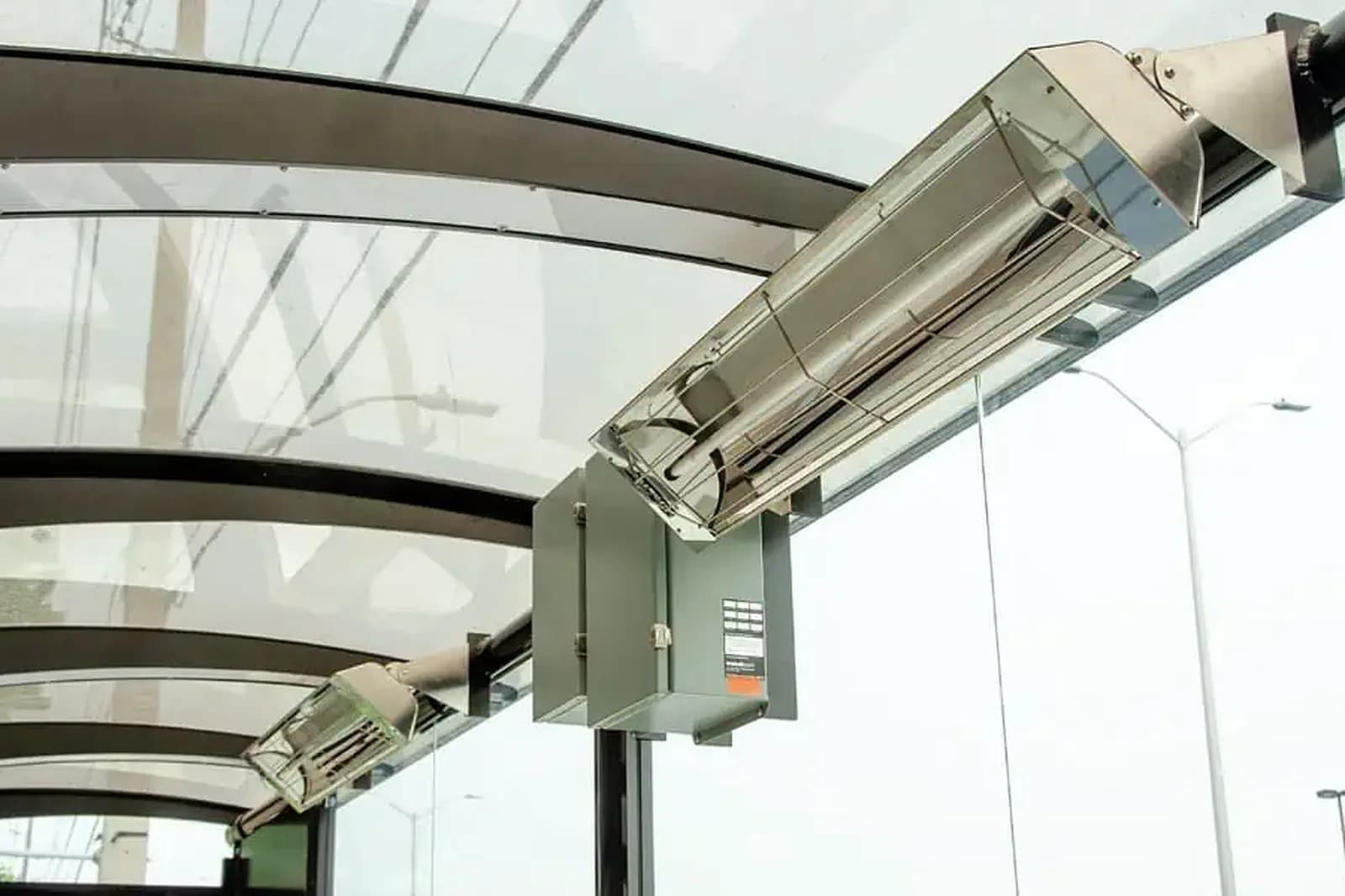
Heated Bus Shelters
Radiant overhead heating panels triggered by motion sensor — thermal comfort below -30°C, heated bench seat option.
Learn moreCorporate Campuses served across Canada
Frequently Asked Questions — Corporate Campuses
Do you sell to private property owners (malls, hospitals, campuses)?
Yes. About 40% of our deployments are private-sector — shopping centres, hospitals, university campuses, corporate parks. We handle site-plan approval drawings, work with your municipal building department on permits, and coordinate with property managers on after-hours installs to avoid disrupting operations. Yes — private-property installs (shopping centres, hospitals, university campuses, corporate parks, residential developments, REITs) make up roughly 30–35% of our annual order book. The procurement profile is faster than municipal (4–8 week decision cycles), the spec usually leans architectural-grade, and we co-ordinate with the property's facilities or workplace-experience team rather than a procurement officer. Insurance, bonding, and additional-insured endorsements scale to whatever your standard property-management or corporate-real-estate template requires — we carry $5M general liability, $5M auto, and $15M aviation-adjacent through Travelers Canada.
How much does a bus shelter cost in Canada?
In Canada, standard freestanding bus shelters typically run $6,500–$14,000 for the structure plus $2,500–$6,000 for installation, including footings and electrical. Solar-powered units add $1,500–$3,500, and heated shelters add $3,000–$7,000 depending on heater wattage and bench heat. Custom architectural shelters for heritage districts or campuses can reach $25,000–$60,000+. Volume orders of 20+ units typically reduce per-unit pricing by 15–25%. Lifecycle cost is the better lens than first-cost: a stamped-engineered shelter with a 10-year structural warranty and a 48-hour parts SLA typically delivers a 15–18 year service life on the structure and 5–8 years on glazing and benches before refresh, which works out to roughly $1,000–$1,800 per shelter per year total cost of ownership including maintenance. Off-grid solar and heated configurations carry a higher first-cost but eliminate trenched-electrical and ongoing utility charges, which on rural sites pays back inside 6 years.
Have a project for Corporate Campuses?
Send us your RFP, scope, or specification — our bid desk responds within one business day.